I Love Acupuncture Series – Reason Number One:
It Stops Pain, Heals Injuries!
I just waxed poetic about how much I love chinese herbs and realized I have not done the same for acupuncture. It really is my first love – I had an acupuncture treatment for the first time on a vacation when I drove across the US looking for my next home. I visited an acupuncture school in Tuscon, AZ and was offered a treatment by the students there. It was amazing. I remember they spent so much time talking to me about different detailed aspects of my health. It honestly felt great to have so much attention – and the idea that everything in my system was connected really resonated with me. Then there was the treatment. I relaxed in a way I don’t think I ever had to that point. I walked away from the school floating on a pink cloud, spacey, happy, relaxed and generally just feeling better. I did not immediately have a cure for anything, but I loved the experience. I felt connected to my body and hopeful about the issues I faced.
I still love getting acupuncture – I recommend that most of my patients continue care, either weekly, bi weekly, monthly or every few months, depending on their health and situation, and I do take my own advice – I almost always have an acupuncture treatment every two weeks. Honestly because it feels good, I give that time to myself and my body, and I know that life and stress continue even when I don’t have a lot of physical symptoms. I always have something to talk to my acupuncturist about!
As you can see, I love acupuncture because it is so powerful and can help with so many different health conditions. The first reason, or health issue, I want to talk about is how amazing it is for treating pain and healing injuries. I treat a wide variety of patients with pain – anyone from the person who sleeps “funny” and wakes up with a crick in their neck, to chronic knee, shoulder or back pain, to the athlete training for their next marathon who starts to experience plantar fasciitis, achilles tendonitis, tight hamstrings or a tight Illio-tibial band. I have treated all of these conditions successfully in my clinic.
How? Why does acupuncture work? Well, one of the most basic premises’ of Chinese Medicine is that where there is pain, qi is not flowing. The analogy of a dammed up river is often used – when a river is blocked by debris, the water is unable to flow freely. Unblocking the stream will allow the water to flow. A similar analogy can be made with an acute injury, say a sprained ankle. In a sprained ankle, the initial response is for the body to produce inflammation, and swell, sending “help” to the area, with increased vascularization so that helpful cells are in the area and harmful cells are moved out. While this does serve a purpose, in the acute phase of injury acupuncture treatment can reduce pain, inflammation and swelling. By getting treatment early, the injury can heal more quickly and often my patients who do come in directly after an injury will experience quicker recovery. Why? Because acupuncture needles can improve flow to the area and reduce stagnation, promoting recovery, and helping the body to help itself. Here’s more on how acupuncture can help through the process of injury healing.
Folks who have older injuries, or pain from a situation like arthritis, also experience pain reduction with acupuncture treatment for the same reason. If you have had pain for a longer amount of time, though, more treatment is generally needed. Whatever the cause, my experience is that acupuncture works for treating pain. I also often use additional accessory techniques such as cupping and gua sha, which help to support the body’s ability to get rid of waste in the affected musculature, decrease inflammation and increase mobility.
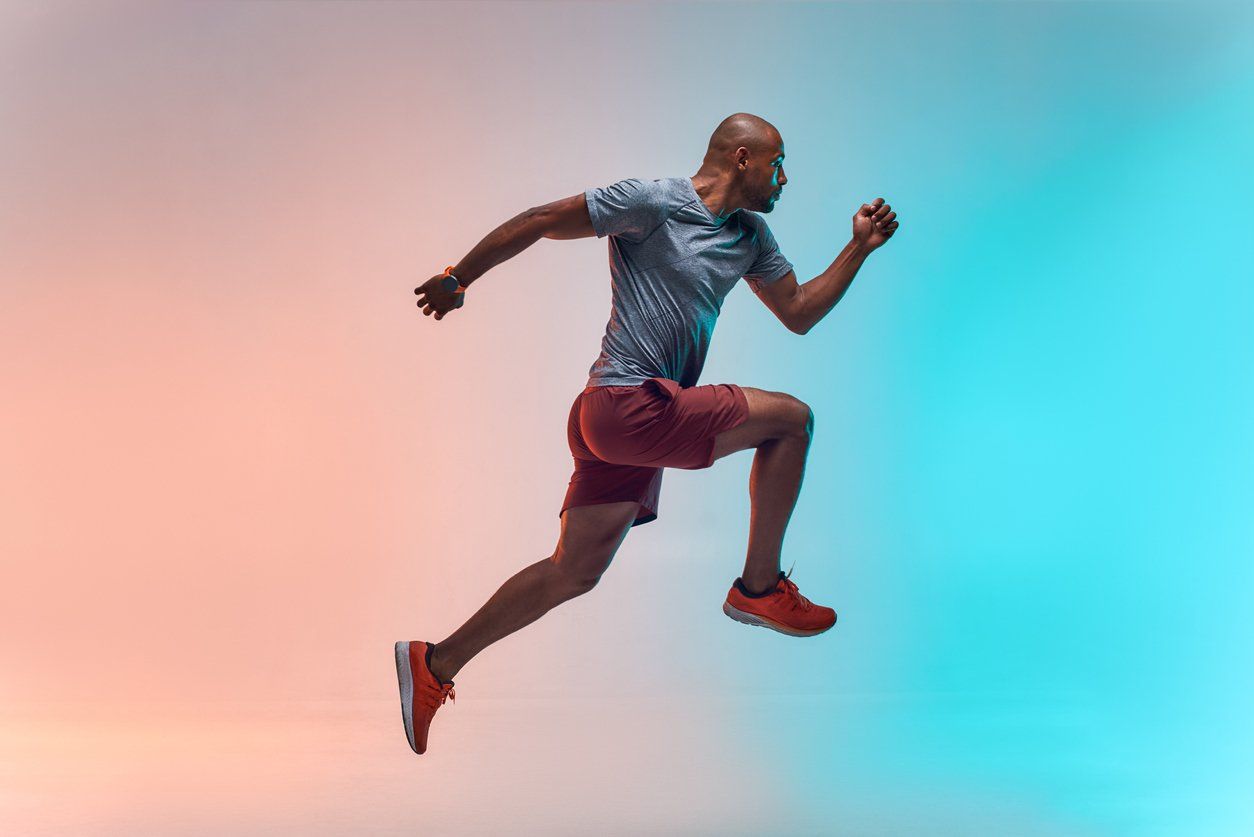
As for athletes, acupuncture is amazing at improving performance, treating exercise related injuries and helping heal these quickly so that training can continue. I have recently completed additional training specifically on the treatment of orthopedic injuries and have had patients experience relief from a variety of injuries including acromio-clavicular joint sprain, knee pain, sacro-illiac and low back pain, and plantar fasciitis. These injuries not only respond well to acupuncture, they respond to the use of electrical stimulation (or e-stim) of the acupuncture needles, which promotes blood flow to the area, reducing pain and speeding healing. I do see a variety of sports related injuries in my office and have several marathon runners who come in for treatment while training to enhance recovery, treat any training related injuries and/or avoid injury. If you want to know more, here’s a great article on how regular acupuncture can help runners optimize performance.
You may have pain but fall outside of these two specific examples – so please know that acupuncture can definitely help with internal pain, such as stomach or abdominal pain, menstrual pain (before or during the painful time), and headache pain (including migraines). Really any type of pain can respond to treatment. Treatment of pain in these situations will again be specifically tailored to what is happening in your body that day as well as the general pattern of pain you experience. The beauty of acupuncture therapy and really Chinese Medicine is that it is all about you, the individual, and what your body needs. Everyone who has headaches does not have the same manifestation — some folks have stabbing headaches, while others are dull, some have one sided headaches, some feel it in the neck or around the ears and others might have a headache along the brow or even at the top of the head. Treatment for each of these presentations will be different, although have some similar elements. For example, most headache treatments involve needles in the area of pain, along with distal points that support the movement of qi in the body and reduce pain, as well as distal points along the acupuncture pathways that correspond to the area of pain on the head. Treatment when someone has a migraine will be different from a person who suffers from migraines but does not have one that day – one treatment will be more focused on relieving pain and the other focused on preventing pain.
These are general guidelines; everyone’s body is unique. Please contact me for a consultation for your specific needs.